

News
ME/CFS Australia Postgraduate Scholarship
ME/CFS Australia is offering a range of funding opportunities for postgraduate researchers, including PhD top-up scholarships, consumable grants, and travel grants to support research focused on ME/CFS and consumer priorities. The PhD top-up scholarship is valued at $10,000.
CRE PAVING is pleased to share that Tara Sallows, a PhD candidate supervised by Dr Sarah Annesley (La Trobe) and Dr Emily Eriksson (WEHI), has been awarded an ME/CFS Australia PhD Top-Up Scholarship valued at $10,000 in recognition of her research in the field.
This scholarship will support Tara’s ongoing research and highlights the importance of investing in the next generation of researchers working to improve understanding, diagnosis and care for people living with ME/CFS.
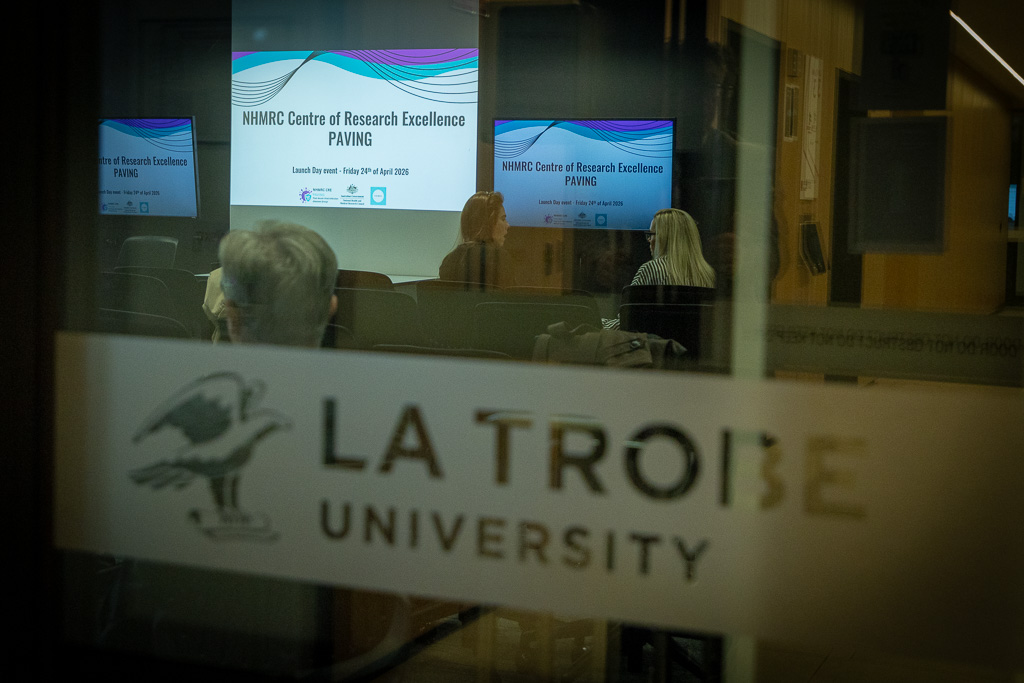
The CRE PAVING has launched!
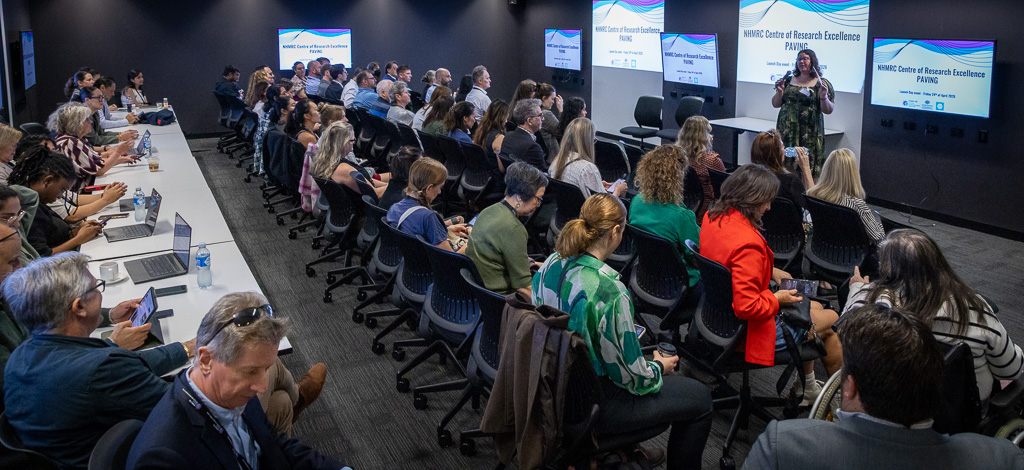
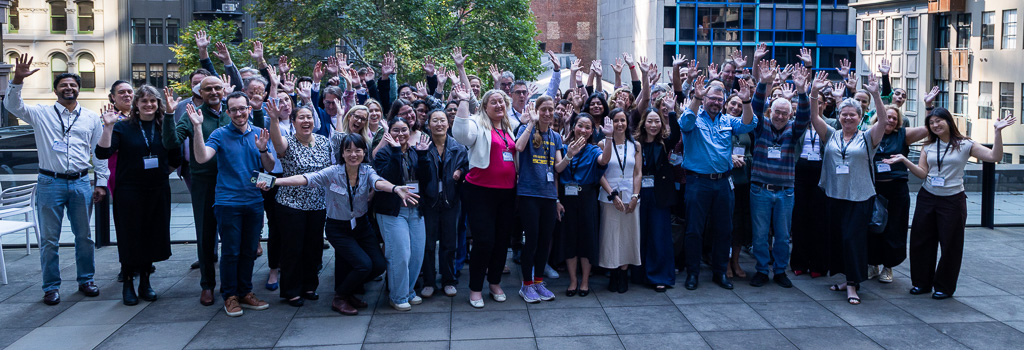
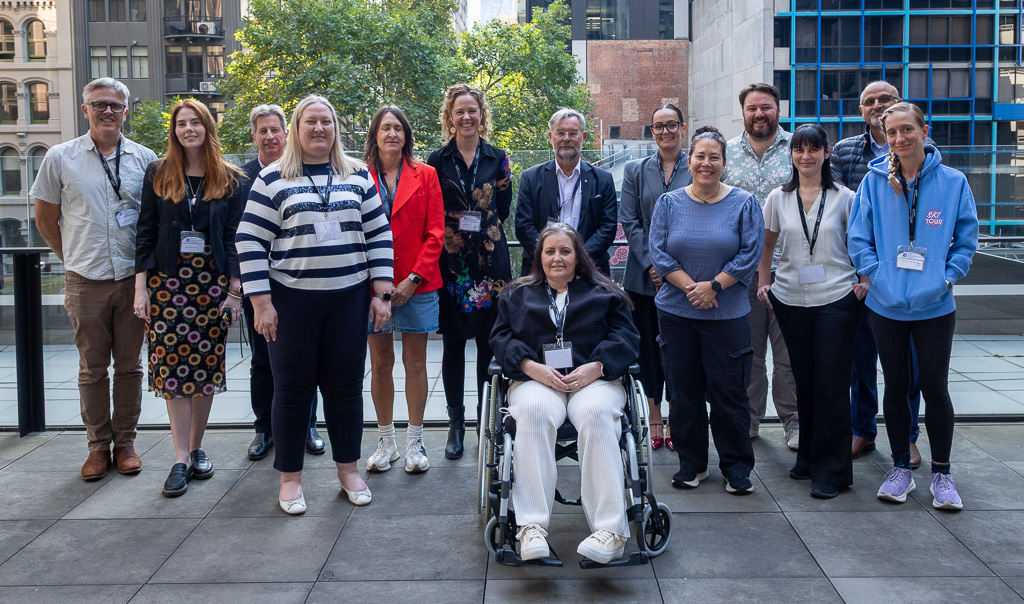
The 24th of April 2026 marked the launch of our NHMRC CRE Post-Acute-Viral Infection Diseases (PAVING) which is the beginning of national efforts to improve outcomes for people living with Long COVID, ME/CFS and Multiple Sclerosis.
Funded by the NHMRC Centre of Research Excellence, PAVING brings together researchers, clinicians and lived experience partners to ensure that our research is not only scientifically rigorous, but also relevant, compassionate and impactful.
At our launch event, our lived experience partners shared powerful stories of resilience, highlighting the importance of including patient voices in shaping research priorities. Our investigators bring expertise from immunology, virology, neurology, epidemiology, clinical medicine, bioinformatics and translational research, spanning universities, medical research institutes and healthcare settings across Australia. This multidisciplinary approach allows us to examine post-acute viral infection diseases from multiple angles, connecting discoveries in the laboratory with improvements in patient care. When diverse perspectives shape research from the start, impact is no longer something we hope for, it is something we are building together.
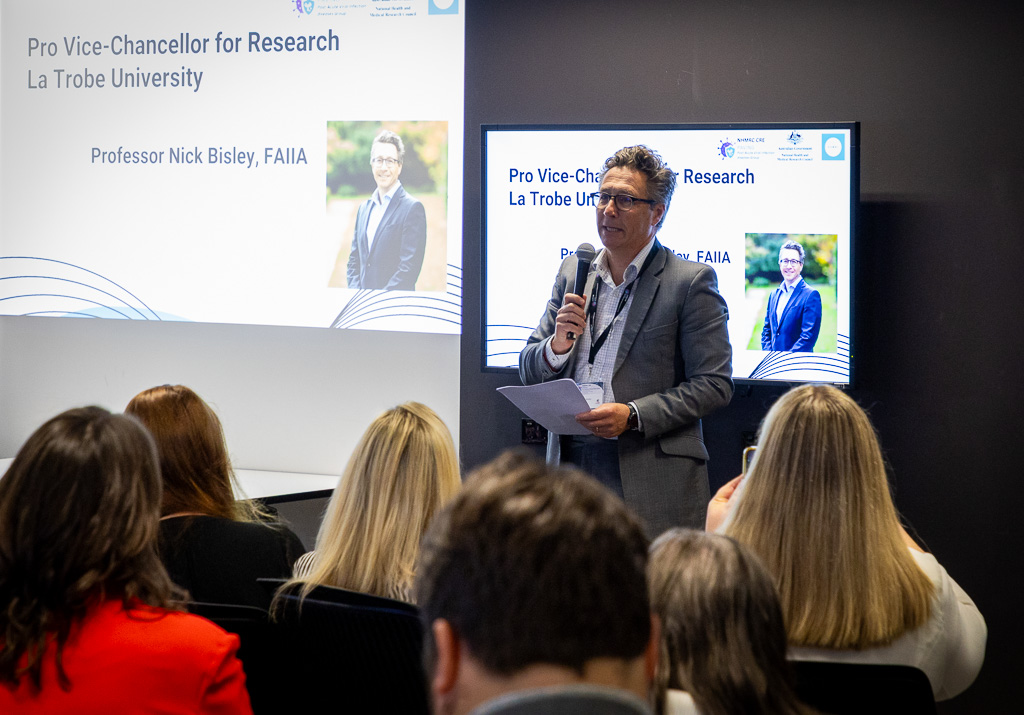
We would like to thank our Director, Distinguished Professor Stephanie Gras and Deputy Director, Professor Kirsty Short for their leadership in bringing CRE PAVING to life. We are grateful for Dr Emma Grant for MC-ing our launch with care; Wurundjeri Elder Tony Garvey for his meaningful Welcome to Country by and Professor Nick Bisley (La Trobe University’s Pro Vice-Chancellor Research) for his opening remarks and support of our CRE. Most importantly, we thank our lived experience partners, Deanna, Dr Anna Brooks and Elle for generously sharing their personal stories. Your voices remind us why this works matters and helps us remain grounded in the needs and priorities of the communities we serve. We also acknowledge CRE Manager Dr Vivian Tran and the many volunteers for their time and hard work which contributed to a successful launch.
As we look ahead, we are excited by the opportunities to advance post-viral disease research, improve care, and create meaningful impact together!
COVID-19 Vaccines: Separating Fact from Fiction
The COVID-19 pandemic reinforced the critical importance of accurate, evidence-based health information. To help combat vaccine misinformation and strengthen public health literacy, the World Federation of Public Health Associations (WFPHA)—the leading global voice for public health, representing more than 140 member organisations and over 5 million public health professionals worldwide—launched this podcast series to support informed decision-making and promote public trust in science.
In this episode, WFPHA welcomes Professor Kirsty Short from The University of Queensland, one of Australia’s leading infectious disease researchers. Her expert insights on COVID-19 and vaccination provide trusted, science-based perspectives at a time when clear communication and public confidence in vaccines are more important than ever.
Listen now on YouTube and learn more on: www.wfpha.org
Research to advance Long COVID care awarded $1M
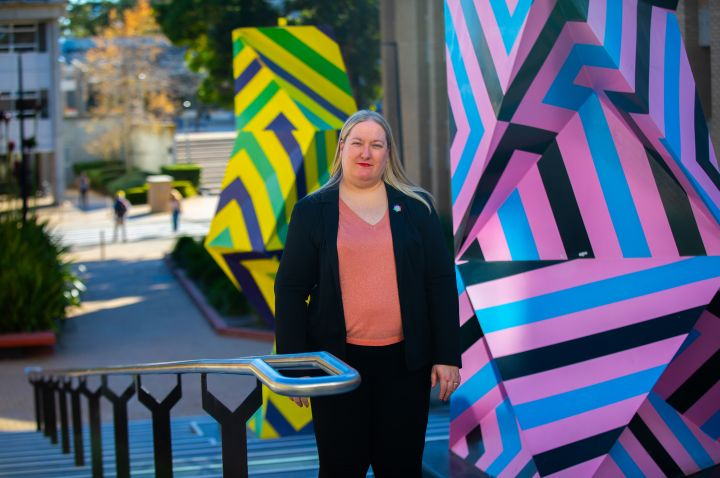
Distinguished Professor Gras was successful in securing funding from the Medical Research Future Fund (MRFF) for ‘CRISP: Consumer-led Research Initiative on food and drink Sensitivity in PASC’.
The CRISP project aims to identify novel biological markers of disease, which will support the development of diagnostic biosensors and contribute to improved clinical understanding and management of Long COVID.
Professor Gras said “Long COVID is a complex condition that can significantly affect quality of life, yet many people still struggle to receive clear diagnoses or effective treatment.” More details here.
COVID-19 Risk Calculator
Led by Professor Kirsty Short at The University of Queensland, the team developed COVID-19 Risk Calculator has been updated to determine a person’s risk of developing long COVID.
Developed in conjunction with scientists, clinicians and researchers from Flinders University, Queensland University of Technology, the University of Sydney and the Immunisation Coalition, the online calculator provides a personalised risk assessment of developing Long COVID 6 months after infection.