

Associate Investigators
Our Associate Investigators contribute specialised expertise to the CRE PAVING, supporting multidisciplinary collaboration, capacity building, and the translation of research into policy and practice. They play an important advisory and collaborative role, complementing the leadership of Chief Investigators to help achieve the CRE’s goals.
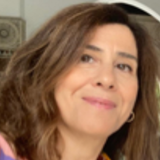
Professor Nabila Seddiki
Associate Investigator
Immunologist and infectious diseases expert (clinical and preclinical non-human primate models)
Professor Seddiki has >25 years experience in infectious diseases and translational research. She has an established track-record with major contributions in the field of human immunology and infectious disease research, unravelling novel ways to accurately study T-cell immunity. She leads the Pediatric Immunology Program (PIP) within the Immune Diseases, Microbiology and Innovative Therapies (IDMIT) Department, and serves as an Adjunct Professor at The Kirby Institute for Infection and Immunity, University of New South Wales (UNSW).
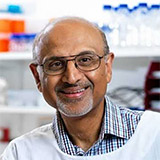
Professor Rajiv Khanna
Associate Investigator
Immunologist, expertise in EBV infection and translational pathway
Professor Khanna is an internationally recognised Translational Immunologist who has made major contributions to developing cellular immunotherapies for treating virus-associated cancers and infectious complications. Over the last 20 years, they have successfully translated their research by developing novel T cell-based immunotherapeutic strategies and provides life-saving T cell therapies for passionate use under the TGA Special Access Scheme.
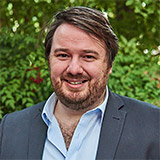
Dr Chris Armstrong
Associate Investigator
ME/CFS and Long COVID researcher
Dr Armstrong is the Director of the Melbourne ME/CFS Collaboration, a research group at the University of Melbourne researching ME/CFS and Long COVID. His group takes a personalised medicine approach to tackling these conditions to identify biological mechanisms and translational tools to increase speed accuracy of diagnosis and treatment. They have strong connections with Open Medicine Foundation Australia, which raise funds in support of their research program. Dr Armstrong collaborates with over 20 research groups globally on a wide array of research projects on ME/CFS and Long COVID.
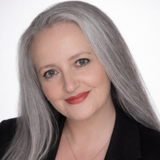
Ms Miquette Abercrombie
Associate Investigator
Long COVID Lived Experience
Ms Abercrombie is living with Long COVID and her experiences have made her a staunch advocate for fellow Long COVID sufferers. She is the director and on the board of Long COVID Australia Ltd., was a key member of the ‘Wake up to Long COVID’ on Long COVID Awareness Day, where we made world history to be the first country to light up for Long COVID. Endless media interviews to simply raise awareness as she suffers greatly. As well as the long list of interviews she has petitioned parliament for Long COVID research funding.

Dr Guneet Bindra
Associate Investigator
Long COVID Lived Experience
Dr Bindra was diagnosed with long COVID in 2022, after suffering from symptoms of shortness of breath, chest pains, fatigue, and multiple hospital visits for >6 months, she was diagnosed with cavernoma and costochondritis in June and December 2023, respectively. To this day, she functions at 70% of her normal capacity. With no treatment options available, other than management of pain; fatigue, chest pain, and headaches are part of her everyday life. Despite this, Dr Bindra has been active in engaging with the CI team and advice based on her experience.
Miss Deanna Renee
Associate Investigator
Allied health professional and national disability advocate living with MS
Deanna was diagnosed with Multiple Sclerosis at 17, following Epstein–Barr Virus, optic neuritis and vertigo. This marked the beginning of navigating lifelong challenges associated with chronic illness, including fatigue, pain and changes to balance and vision. Despite this, she has excelled academically and built a strong career grounded in both professional expertise and lived experience. Deanna is a national advocate and member of MS Australia’s Lived Experience Expert Panel (LEEP), where she contributes to shaping research, policy and healthcare design through a lived experience lens. Since 2019, she has also served as a Multiple Sclerosis Ambassador, sharing her story through public speaking, awareness campaigns and advocacy initiatives. Her work bridges clinical knowledge with authentic storytelling, with a strong focus on mental health, accessibility and disability equity.
Ms Rowena Auchterlonie
Associate Investigator
Multiple Sclerosis Lived Experience
Rowena was diagnosed with Relapsing Remitting MS in 2016, following earlier experience with Epstein-Barr and varicella-zoster. Her diagnosis came whilst in the midst of her career, which subsequently lead to her medical retirement after 32 yrs service with Tasmanian Police. For the past 15 years, she has dedicated herself to the community sector as a strong advocate for people facing social and economic barriers, championing collaborative, person-centered approaches through community forums, consumer events, and Case Collaborative Conferences. After her MS diagnosis, she transitioned into part-time work supporting at-risk youth and mental health programs, becoming a true advocate who connected young people with essential services. Her lived experience with MS has driven her passion for understanding the disease and contributing meaningfully as an active member of the MS Lived Experience Expert Panel and the MS Research Flagship.
Dr David Davies-Payne
Associate Investigator
ME/CFS and Long COVID Lived Experience
Dr Davies-Payne is a paediatric radiologist, working at Starship Children’s Hospital in Auckland since 2003. Alongside his clinical work, he has co‑authored publications on Long COVID and Functional Neurologic Disorder, contributed to national briefing papers, and developed free iOS apps supporting ME/CFS assessment and pacing. Previously healthy and active, David developed Long COVID in late 2020, later experiencing a severe deterioration that led to a diagnosis of POTS and ME/CFS. His lived experience has driven his engagement with emerging research and his role as co‑founder of DysImmune Research Aotearoa, a patient‑centred organisation advancing understanding of post‑viral illness.
Assistant Professor Bridie Mulholland
Associate Investigator
First Nations Academic
Assistant Professor Bridie Mulholland is a proud Jingili woman and First Nations academic, serving as a senior lecturer in First Nations Health at Bond University. She leads key initiatives across the Faculty of Health Sciences and Medicine to embed First Nations perspectives throughout teaching, learning, and research. This includes the development of a dedicated First Nations Health Curriculum Framework and broader efforts to strengthen First Nations representation and leadership in research.
Dr Mulholland brings a rare combination of cultural knowledge and scientific expertise, drawing on her background in cellular bone and cancer biology alongside experience in First Nations health. She has worked closely with our team to design strategies that ensure research findings are shared with First Nations communities in ways that are culturally grounded, respectful, and oriented toward improving health outcomes, access, and health knowledge.
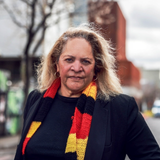
Professor Julie Andrews (OAM)
Associate Investigator
Director, Gabra Biik Wurruwila Wutja Research Centre/Academic Director (Indigenous Research) at La Trobe University
Professor Julie Andrews (OAM) is descended from a large Aboriginal family with ties to Yorta Yorta, Wurundjeri Woiwurrong and Wiradjuri peoples. Professor Andrews is author of the 2026 publication titled “Where’s All the Community? Aboriginal Melbourne Revisited” a social history of Aboriginal Melbourne, tracing kinship connections and identity. Professor Andrews has over thirty years as a teaching and research academic and a First Nations higher education policy maker. She leads Indigenous research projects through the Gabra Biik Wurruwila Wutja research centre and research partnerships in Aboriginal communities and industry and elevates Indigenous‑led scholarship. Professor Julie Andrews will work alongside Associate Professor Bridie Mulholland and Distinguished Professor Stephanie Gras to guide the effective and culturally informed dissemination of research findings to First Nations communities, supporting improved health knowledge, access, and literacy.